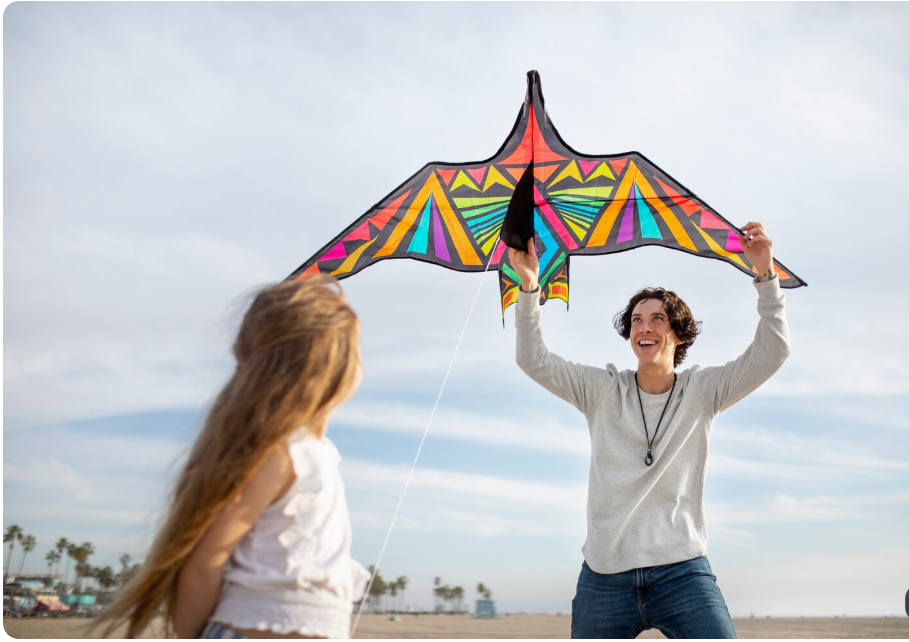
Kite flying is one of India’s most colorful outdoor traditions. From the rooftops of Gujarat during Uttarayan to community celebrations and international kite festivals, flying kites brings together families, friends, hobbyists, artists, and professional kite flyers. It is more than a recreational activity because it also represents creativity, cultural heritage, friendly competition, and community participation.
IndiaKiteClub is a website focused on celebrating this interest through content about Indian kites, kite designs, kite flying, kite making, and festivals. Its website presents itself as a destination for kite enthusiasts who want to explore traditional and modern kite styles, learn about flying techniques, and discover kite-related celebrations across India.
The platform features categories such as Indian Kites, Kite Types, Kite Festival, Kite Flying, and Kite Making. Its published articles discuss subjects including fighter kites, LED kites, kite-flying locations, traditional festivals, and safety tips. This makes IndiaKiteClub a relevant search term for people interested in Indian kite culture and the wider hobby of kite flying.
This guide explores the website’s visible content, different kite styles, Indian kite festivals, kite-making basics, safety practices, and the ways enthusiasts can enjoy this traditional activity responsibly.
Key Takeaways
- IndiaKiteClub is a website focused on kite flying, kite making, kite designs, and kite festivals.
- Its visible categories include Indian Kites, Kite Types, Kite Festival, Kite Flying, and Kite Making.
- The website features content about traditional kites, fighter kites, modern LED kites, and flying locations.
- Uttarayan in Gujarat is one of India’s best-known kite-flying celebrations.
- Kite making combines creativity, material selection, balance, and practical design.
- Beginners should select a kite that matches their experience and local wind conditions.
- Kite flying should take place in open areas away from roads, electrical wires, airports, and crowded locations.
- Sharp or metal-coated kite strings can cause serious injuries and should be avoided.
- IndiaKiteClub’s published contact information should be verified before relying on it for business enquiries or event bookings.
- Kite festivals can support cultural learning, tourism, local businesses, and community participation.
1. What Is IndiaKiteClub?
IndiaKiteClub is an online platform dedicated to the world of kite flying and kite-related activities in India.
The website describes its purpose as helping visitors discover kite making, unique kite styles, and colorful festivals. Its visible navigation includes several subject categories that allow visitors to explore different aspects of the hobby.
These categories include:
| Website category | Main subject |
|---|---|
| Indian Kites | Traditional and Indian-style kites |
| Kite Types | Different designs and kite styles |
| Kite Festival | Celebrations and kite-flying events |
| Kite Flying | Flying techniques and related information |
| Kite Making | Kite construction and creative design |
The website also features articles about high-performance kites, fighter kites, LED kites, kite-flying safety, and locations for kite-flying adventures.
These topics make the platform relevant to several audiences, including beginners, experienced kite flyers, students, families, festival enthusiasts, and people interested in traditional Indian crafts.
The Purpose of IndiaKiteClub
The central theme of IndiaKiteClub is the enjoyment and exploration of kite culture.
Kite flying has a long association with celebrations and outdoor recreation in different parts of India. People participate in it during festivals, holidays, family gatherings, and organized events.
A website dedicated to this subject can help readers explore:
- Different kite designs and materials.
- Traditional Indian kite styles.
- Basic kite-making techniques.
- Kite-flying methods for beginners.
- Competitive kite flying.
- Kite festivals and celebrations.
- Modern kite designs and LED features.
- Safety practices for outdoor flying.
IndiaKiteClub’s published content provides an introduction to these subjects, although readers should check individual articles for current details and practical instructions.
2. Why Is Kite Flying Popular in India?
Kite flying is popular in India because it combines outdoor entertainment with cultural celebrations and social interaction.
In many communities, kite flying is associated with seasonal festivals and family traditions. During major celebrations, rooftops, open grounds, and public spaces may become gathering places for people who enjoy watching colorful kites move across the sky.
A Connection With Indian Festivals
Kite flying is particularly associated with Makar Sankranti and Uttarayan in Gujarat.
During this period, people celebrate the seasonal transition with traditional food, family gatherings, and outdoor activities. Kite flying has become an important part of the celebration in many communities.
Other regions also have their own kite-flying customs and local events.
A Social Activity
Kite flying can bring together people of different ages.
Children may enjoy simple recreational kites, while experienced flyers may prefer more advanced designs. Families can participate together, making the activity suitable for community gatherings when it is organized safely.
Creativity and Competition
Kites are available in many shapes, colors, and sizes.
Some enthusiasts enjoy designing their own kites, while others focus on controlling them in the air. Competitive kite flying adds another dimension through friendly challenges and demonstrations.
An Affordable Outdoor Hobby
Basic recreational kite flying can be relatively inexpensive.
A simple kite, suitable flying string, and a safe open location may be enough for beginners to get started. More advanced designs and equipment can cost more depending on their materials and construction.
3. Different Types of Indian Kites

One of the interesting aspects of kite flying is the variety of designs available.
Different kites are created for different flying conditions, skill levels, and purposes. Some are intended for casual recreation, while others are designed for artistic displays, precision control, or competitions.
IndiaKiteClub includes a Kite Types category and publishes content about traditional, fighter, and modern kite designs.
Traditional Paper Kites
Traditional paper kites are commonly associated with recreational kite flying in India.
They are often made using lightweight paper, thin supporting sticks, and a suitable flying line. Their designs may include bright colors, geometric patterns, or decorative artwork.
These kites are popular because they are lightweight and relatively simple to understand.
Fighter Kites
Fighter kites are designed for controlled maneuvering and competitive kite flying.
Their performance depends on several factors, including:
- Overall shape.
- Weight distribution.
- Frame strength.
- Surface area.
- Wind conditions.
- Flyer experience.
These kites are generally more suitable for experienced hobbyists than complete beginners.
Competitive flying should always follow local rules and use safe, non-cutting flying lines. A kite should never be used in a way that endangers people, animals, or other flyers.
Delta Kites
Delta kites have a triangular or wing-like appearance.
They are commonly used for recreational flying and are available in different sizes. Their design can make them a suitable option for beginners, depending on the model and wind conditions.
Box Kites
Box kites have a three-dimensional structure supported by a frame.
Their construction differs from the flat design of traditional paper kites. They can be interesting for hobbyists who want to explore more advanced kite structures.
Stunt Kites
Stunt kites are designed for directional control and aerial maneuvers.
Many models use two or more control lines, allowing experienced flyers to guide their movement.
They are popular among people who enjoy precision flying and coordinated demonstrations.
LED Kites
LED kites incorporate lighting elements to create a visual effect after dark.
IndiaKiteClub features content about modern LED kites and nighttime kite flying. These designs can be attractive for organized demonstrations, but electrical components should be installed securely and used according to their safety instructions.
Nighttime flying requires additional care because visibility is reduced and obstacles may be difficult to identify.
4. Traditional and Modern Kite Designs
Kite designs have evolved over time as materials, manufacturing techniques, and creative ideas have developed.
Traditional kites often use simple materials and familiar shapes. Modern designs may incorporate synthetic fabrics, specialized frames, advanced control systems, or lighting.
| Feature | Traditional kites | Modern kites |
|---|---|---|
| Common materials | Paper, bamboo, lightweight sticks | Synthetic fabric, fiberglass, composite materials |
| Design | Simple and familiar shapes | Traditional and specialized shapes |
| Construction | Often handmade | Handmade or commercially manufactured |
| Purpose | Recreation and festivals | Recreation, sport, displays, and demonstrations |
| Special features | Decorative patterns | LED lighting and advanced control options |
| Skill requirements | Beginner to advanced | Depends on the design |
Neither category is automatically better. The right kite depends on the user’s interests, experience, budget, and flying environment.
Traditional Craftsmanship
Traditional kite making requires attention to balance, frame construction, and lightweight materials.
The maker must ensure that the kite’s structure can support its shape while remaining light enough to fly.
Decorative designs also give traditional kites their visual appeal.
Modern Materials
Modern kite makers may use synthetic materials that offer different levels of flexibility and durability.
Some designs use specialized frames to support larger surfaces or improve control.
However, material selection should always match the kite’s intended use.
Combining Tradition and Innovation
Modern kite designs can preserve familiar shapes while introducing new visual features.
For example, a traditional-style kite may use contemporary printed patterns or carefully installed lighting.
This combination can help introduce younger audiences to an activity that has been enjoyed for generations.
5. Kite Festivals in India
Kite festivals are among the most exciting parts of India’s kite-flying culture.
They bring together hobbyists, local communities, tourists, artists, and professional kite flyers. Some events focus on traditional recreational flying, while others include demonstrations, workshops, competitions, and cultural activities.
Uttarayan in Gujarat
Uttarayan is one of the most recognized kite-flying celebrations in India.
It is closely associated with Makar Sankranti and is widely celebrated in Gujarat.
Ahmedabad is particularly well known for its kite-flying atmosphere during this period. The celebration brings people together through rooftop activities, traditional foods, family gatherings, and colorful displays.
International Kite Festival in Gujarat
Gujarat also hosts the International Kite Festival, associated with the state’s tourism and cultural celebrations.
The event brings together kite enthusiasts and participants from different places, showcasing creative kite designs and flying demonstrations.
Festival schedules and participating locations can vary from year to year, so visitors should consult current official announcements before making travel plans.
Kite Events in Other Regions
Kite-flying activities are not limited to Gujarat.
Different communities organize local celebrations, recreational events, and kite demonstrations according to regional traditions.
These activities may include kite-making competitions, painting workshops, exhibitions, and educational programs.
What Happens at a Kite Festival?
A kite festival may include several activities:
- Recreational kite flying.
- Large decorative kite displays.
- Kite-making workshops.
- Kite painting activities.
- Competitions and demonstrations.
- Cultural performances.
- Food stalls and local crafts.
- Educational activities for children.
The exact program depends on the event organizer and location.
6. Kite Making: How Beginners Can Get Started
Kite making is a creative activity that allows people to understand how simple materials can work together to create something that flies.
A beginner can start with a small, lightweight kite rather than attempting a large or complicated design.
Materials Required
A basic kite-making project may require:
- Lightweight kite paper or suitable fabric.
- Thin bamboo or another appropriate frame material.
- Non-sharp scissors.
- Adhesive suitable for the chosen material.
- Measuring scale.
- Pencil.
- Lightweight tail material.
- A suitable flying line.
The exact materials depend on the design and the age of the person making the kite.
Step 1: Choose a Simple Design
Start with a basic diamond-shaped kite.
Simple designs are easier to measure and assemble than complicated structures.
Step 2: Prepare the Frame
Select lightweight supporting materials and arrange them according to the chosen design.
The frame should be secure, symmetrical, and suitable for the kite’s size.
Step 3: Attach the Covering
Place the paper or fabric over the frame and secure it carefully.
Avoid adding unnecessary weight because heavy construction can affect flight performance.
Step 4: Add the Tail if Required
Some kite designs use a tail to help with stability.
The correct tail length depends on the kite’s shape and flying conditions.
Step 5: Attach the Flying Line
The flying line should be attached at the correct point according to the design.
An incorrectly positioned attachment can make the kite difficult to control.
Step 6: Test in a Suitable Location
Choose an open area with appropriate wind conditions.
Begin with gentle testing and avoid flying near roads, power lines, buildings, or crowded spaces.
7. Basic Kite-Flying Techniques for Beginners
Flying a kite requires an understanding of wind direction, kite balance, and line control.
Beginners should start with simple equipment and practice in a safe environment.
Understand Wind Direction
Before launching a kite, observe the direction of the wind.
A suitable breeze can help a kite rise, while very strong or unpredictable wind may make control difficult.
Avoid flying during thunderstorms, lightning, or severe weather.
Select the Right Kite
A small recreational kite is often easier for a beginner to manage than a large or highly specialized model.
Choose a design suitable for the available wind conditions.
Launch Carefully
A beginner may need assistance from another person when launching a kite.
The person holding the kite should position it according to the wind, while the flyer maintains a controlled grip on the line.
Do not run into roads or crowded areas while attempting to launch.
Maintain Line Control
Keep the line under control and avoid allowing it to become tangled around fingers, hands, or other body parts.
Use a suitable reel or handle and avoid sudden movements that could cause injury.
Know When to Stop
If the wind becomes too strong, visibility becomes poor, or the area becomes crowded, bring the kite down safely.
A successful flying session is one in which everyone remains safe.
8. Kite-Flying Safety Tips for Families
Safety is essential when flying kites, especially in busy cities and during festivals.
Kite strings can cause injuries, and flying near electrical infrastructure can create serious hazards.
Choose an Open Flying Area
Select a location away from:
- Electrical wires and transformers.
- Roads and railway tracks.
- Airports and restricted airspace.
- Crowded rooftops.
- Trees and other obstacles.
- Busy pedestrian areas.
Never attempt to retrieve a kite that becomes tangled in an electrical wire.
Avoid Dangerous Kite Strings
Some kite strings are designed to cut other lines. Strings coated with glass powder or containing metal can cause serious injuries.
Use safe, non-cutting string and follow local restrictions.
Protect Children
Young children should fly kites under adult supervision.
Adults should help them choose suitable equipment and understand how to handle the line safely.
Wear Appropriate Protection
Closed footwear and suitable clothing can help reduce minor injuries during outdoor activities.
Avoid handling damaged or tangled kite strings with bare hands.
Keep the Area Clean
Collect discarded strings, paper, plastic, and other materials after the activity.
Waste kite strings can create hazards for pedestrians, cyclists, birds, and animals.
Follow Local Rules
Some areas restrict certain types of kite string or kite-flying activities.
Check local rules before participating in competitions or large events.
9. Kite Flying as a Family and Community Activity
Kite flying can become a meaningful social activity when people participate together.
Families can use it as an opportunity to spend time outdoors, while communities can organize workshops and celebrations that introduce traditional crafts to younger generations.
Family Participation
Parents and children can select simple kites, decorate them, and learn basic flying techniques.
This encourages communication and cooperation.
School Activities
Schools can introduce kite-making projects as creative learning activities.
Students can explore geometry, measurement, symmetry, wind direction, and basic principles of flight.
Teachers should choose age-appropriate materials and supervise cutting, assembly, and outdoor activities.
Community Workshops
Local organizations can arrange kite-making sessions for beginners.
Such workshops may include demonstrations of traditional designs, painting activities, and discussions about safe flying practices.
Cultural Learning
Kite festivals can help younger generations learn about regional traditions and community celebrations.
They also provide opportunities to appreciate local craftsmanship and creative design.
10. Can Kite Flying Become a Professional Activity?
Kite flying can develop beyond a personal hobby.
Some experienced enthusiasts participate in professional demonstrations, festival management, workshops, kite design, and event-related services.
The business possibilities depend on skill, experience, demand, local regulations, and the ability to organize activities safely.
Kite Festival Management
Event organizers may coordinate kite displays, workshops, competitions, and cultural activities.
This requires planning, suitable venues, safety arrangements, and coordination with local authorities.
Kite Making and Design
Skilled makers may create traditional kites, decorative designs, custom products, or specialized kites for demonstrations.
Quality control and appropriate material selection are important.
Kite Workshops
Experienced enthusiasts can organize beginner workshops for schools, community groups, and private events.
Workshops should include clear instructions and age-appropriate safety arrangements.
Aerial Advertising
Some specialized kite designs can be used for visual displays and promotional activities.
Such projects require appropriate permissions, safe locations, and professional planning.
Event Demonstrations
Experienced flyers may participate in organized demonstrations and festivals.
Professional activities require more preparation than casual recreational flying.
11. IndiaKiteClub Website Features and Content
The IndiaKiteClub website provides a subject-based layout for visitors interested in kite culture.
Its visible pages and articles offer an introduction to several kite-related topics.
| Website feature | What visitors can explore |
|---|---|
| Homepage | Main kite-related articles and categories |
| Indian Kites | Traditional kite-related content |
| Kite Types | Different kite designs and styles |
| Kite Festival | Festival information and celebrations |
| Kite Flying | Flying-related articles and tips |
| Kite Making | Kite construction and creativity |
| About Us | Website’s stated purpose |
| Contact Us | Published communication details |
| Write For Us | Contribution-related page |
Articles About Kite Flying
The website features articles discussing kite-flying locations, high-performance kites, and safety tips.
These subjects may help readers identify areas they want to explore further.
Articles About Kite Types
The Kite Types category includes content about fighter kites, LED kites, and other designs.
This can help beginners understand that kites differ in construction and purpose.
Festival-Related Content
The festival category includes articles about traditional and modern kite celebrations.
Readers interested in cultural events can use such material as a starting point for further research.
Kite-Making Interest
The website’s stated focus includes the art of kite making.
This subject is relevant to people who enjoy handmade crafts, creative projects, and traditional designs.
12. Who Can Benefit From IndiaKiteClub?
IndiaKiteClub may interest different groups of readers depending on their connection with kite flying.
Beginners: People who want to learn about kite designs and basic flying techniques can explore introductory material.
Experienced kite flyers: Hobbyists may be interested in specialized kite types, demonstrations, and competitive flying.
Families: Parents looking for outdoor activities may explore safe and age-appropriate kite-flying ideas.
Students: Kite making can support creative projects involving geometry, measurement, and basic science.
Festival enthusiasts: Readers interested in Indian cultural celebrations can explore festival-related topics.
Event organizers: People planning workshops or kite-related events may find inspiration in the website’s coverage of kite festivals and activities.
Craft enthusiasts: People who enjoy handmade products may appreciate learning about traditional kite construction and decoration.
13. How to Explore IndiaKiteClub Effectively

Visitors can get more value from a subject-focused website by exploring its content according to their interests.
Step 1: Visit the Correct Domain
Check the website address carefully and make sure you are visiting the intended IndiaKiteClub domain.
Step 2: Explore the Main Categories
Start with Indian Kites, Kite Types, Kite Festival, Kite Flying, and Kite Making.
These categories provide a basic overview of the site’s subject areas.
Step 3: Select Articles Based on Your Interests
Beginners may prefer introductory material and safety guidance.
Experienced flyers may be more interested in specialized kite designs and festival activities.
Step 4: Check Article Dates
Kite-related cultural information may remain useful for a long time, but event schedules, contact details, and travel information can change.
Check current announcements before making plans.
Step 5: Verify Important Information
For festival dates, permissions, and event arrangements, consult the relevant official organizer or local authority.
Do not assume that an old article provides current event details.
Step 6: Verify Contact Information
The website’s published contact section currently displays an email address, a +92-format phone number, and an address in Minnesota, United States.
These details do not independently establish an Indian business address or local event service. Confirm the publisher’s identity and current contact arrangements before sending money, documents, or personal information.
14. IndiaKiteClub and the Future of Kite Culture
Kite culture continues to combine traditional craftsmanship with modern recreation.
As new materials and creative designs become available, kite enthusiasts can explore different ways to enjoy the hobby while preserving its cultural importance.
Modern Kite Designs
Modern materials can support new shapes, larger displays, and specialized recreational designs.
However, performance and safety should remain more important than appearance alone.
Educational Kite Activities
Kite making can be used to introduce students to practical concepts.
A classroom project may demonstrate symmetry, balance, surface area, measurement, and the effects of wind.
Environmentally Responsible Flying
Responsible kite flying involves selecting safer materials, avoiding hazardous strings, and collecting waste after an event.
Organizers can also encourage participants to protect birds and wildlife.
Digital Communities
Websites and online communities can help enthusiasts discover kite designs, share creative projects, and learn about events.
Digital information can complement local clubs and in-person workshops, although current event information should always be checked with organizers.
Preserving Traditional Knowledge
Traditional kite-making skills can be passed from experienced makers to younger generations through workshops and community activities.
This helps preserve craftsmanship while allowing new designs to develop.
15. Important Things to Consider Before Participating in Kite Events
Attending a kite festival or organized event can be an enjoyable experience, but planning is important.
Before participating, consider:
- Event date: Confirm the current schedule with the official organizer.
- Venue: Check whether the location is open to visitors and suitable for kite flying.
- Weather: Avoid flying during thunderstorms or unsafe wind conditions.
- Equipment: Bring suitable kites and safe, non-cutting string.
- Permissions: Follow local rules and any event-specific restrictions.
- Children: Ensure young participants have adult supervision.
- Travel: Confirm transport, parking, and entry arrangements.
- Waste: Dispose of discarded strings and materials responsibly.
A little preparation can make the experience safer and more enjoyable.
16. Frequently Asked Questions (FAQs)
1. What is IndiaKiteClub?
IndiaKiteClub is a website focused on kite flying, kite making, Indian kite designs, and kite festivals. Its visible categories include Indian Kites, Kite Types, Kite Festival, Kite Flying, and Kite Making.
2. What type of content does IndiaKiteClub publish?
The website features articles about traditional and modern kite designs, fighter kites, LED kites, kite-flying locations, festivals, and safety tips. Visitors can explore its categories to find content related to their interests.
3. Is IndiaKiteClub useful for beginners?
It may be a useful starting point for beginners who want to explore kite types, flying activities, and kite-related topics. Beginners should also follow practical safety guidance and learn in an appropriate open area under supervision when necessary.
4. Which kite festivals are popular in India?
Uttarayan in Gujarat is one of India’s best-known kite-flying celebrations. Gujarat’s International Kite Festival is also a recognized event. Other regions organize local kite activities and celebrations according to their traditions.
5. Is kite flying safe for children?
Kite flying can be an enjoyable activity for children when suitable equipment, adult supervision, and safe locations are used. Avoid dangerous cutting strings, electrical wires, roads, and crowded areas. Always follow local safety rules.