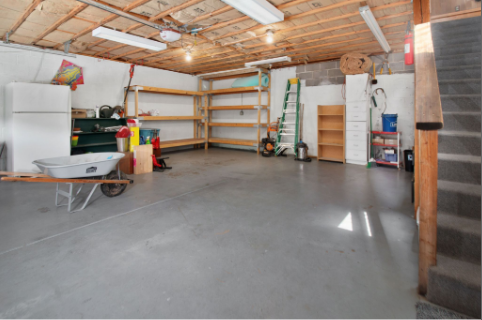
Heat, humidity, and salt air don’t hit a garage floor one at a time. They arrive together, all summer, and concrete has no defense against any of them. Elite Coastal Epoxy does epoxy flooring and polyaspartic coatings for both Pensacola and Escambia County, and all three of them have an effect on choosing a particular system. Below is a discussion about each of them, followed by a look into the one-day install and issues that need to be clarified prior to applying the coating.
Summer Heat Turns a Garage Into an Oven and Concrete Into a Moving Target
On a July afternoon, a closed Pensacola garage can run well past outdoor temperatures, and the slab swells and shrinks as it heats and cools. Hot tires add another hit. Cheap or poorly cured coatings can soften, mark, or peel under that routine. Epoxy flooring built for the Gulf Coast has to bond hard and still tolerate small movements. Polyaspartic helps because it stays flexible and doesn’t yellow under the sun that pours through an open door. Elite Coastal Epoxy says its systems resist hot tires.
Humidity Keeps Pensacola Concrete Damp From the Inside Out
Humid air is only half of it. Moisture also rises from the ground through the slab as vapor, and a sealed coating can trap it. Blisters, bubbles, and peeling patches are the usual result. Installers who work along the coast test the concrete first and choose a system to match. Elite Coastal Epoxy points to moisture-mitigating coatings for exactly these homes, and a customer on its Pensacola page, from East Hill, describes a waterside floor that was constantly damp and stained before the job, then finished in a day. Speed helps too, since fast-curing polyaspartic leaves less time for damp air to interfere.
Salt Air Works Its Way Into Bare Concrete Long Before It Shows
Salt arrives on the breeze and on whatever gets tracked in from Perdido Key or the bay. Bare concrete soaks up salty moisture, and over time the surface turns chalky and starts to wear. Metal shelving and tool chests don’t help, since rust marks stain the floor beneath them.
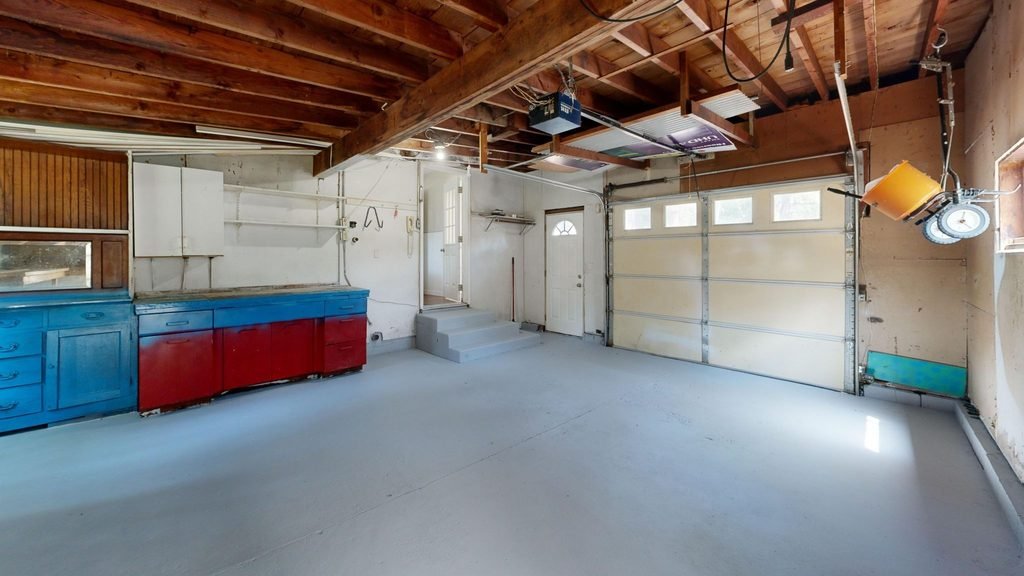
How the Two Coatings Compare Against Each Other in Pensacola Conditions
Neither coating wins everywhere, which is why some floors use both:
| Condition | Bare concrete | Epoxy flooring | Polyaspartic |
| Heat | Cracks and dust as the slab moves | Hard, thick base that bonds well | Flexible, cures in hours |
| Humidity | Stays damp, stains easily | Seals the surface; needs a dry, prepped slab | Fast cure limits damp-air problems |
| Salt air | Turns chalky and rough | Salt rinses off the surface | Same, plus color holds in sun |
Elite Coastal Epoxy offers both and recommends a system after looking at the slab at a free on-site estimate.
What a One-Day Garage Floor Installation Usually Looks Like From Start to Finish
Elite Coastal Epoxy says most Pensacola garage floors are finished in a day. A typical one-day job runs in a rough sequence:
- Inspect the slab and note cracks, oil spots, and damp areas.
- Grind the surface so the coating has something to grip.
- Repair cracks and clean away dust.
- Roll on the base coat.
- Broadcast flakes or apply a metallic finish.
- Finish with a protective topcoat.
- Let it cure, with cars back inside the next day.
Exact steps and timing depend on the scope and conditions of each project.
Choosing a Coating That Matches the Way a Pensacola Garage Really Gets Used
There are probably not many rooms that get more weather exposure than a garage in Pensacola, and it is the flooring that takes the brunt of it. It all comes down to what system will work best based on the type of slab, sun exposure, and how quickly the car is to be returned indoors. Elite Coastal Epoxy, which is headquartered in Pensacola, puts down epoxy and polyaspartic coatings for homeowners in Escambia County.
FAQs
1. Can epoxy flooring handle Pensacola’s summer heat?
If the chosen system meets such requirements. High-quality epoxy and polyaspartic systems will work in the extremely hot garage and with the hot tires, while the cheap or improperly cured ones may become soft and mark. The polyaspartic system also provides more flexibility due to temperature changes.
2. Does high humidity affect how a garage floor coating cures?
It can. Damp air and moisture in the slab interfere with slow-curing products, which may cloud, bubble, or peel. Fast-curing polyaspartic narrows that risk, and good installers test the concrete beforehand. Homeowners on the coast can ask how humidity and slab moisture are actually checked before any coating goes down.
3. Will salt air eat away at a coated garage floor?
Once the paint is cured, it becomes waterproof, which means that salt cannot enter the concrete, as it would in the case of plain concrete. The salt will simply sit on top of the concrete and get washed away by the water, as well as by a dampened cloth or mop.
4. Which coating is better for a garage that gets direct afternoon sun?
It is recommended that Polyaspartic be used in sun-exposed garages since this coating is UV-resistant and maintains color stability. Ordinary epoxy could become amber when exposed to sunlight. Some contractors even use epoxy as the base layer with Polyaspartic as the top coat.
5. What should homeowners ask before hiring someone to coat a coastal garage floor?
Begin with preparation: the grinding, repair, and moisture testing of the concrete. Find out which epoxy system is best to use and why, when vehicles can come back in, how to clean the floor, and what the warranty covers. Elite Coastal Epoxy provides free on-site estimates in Pensacola for all those inquiries.